Choosing a career is one of those decisions that feels deceptively simple at first—until you realize how many variables are hiding beneath the surface. If you’re weighing up whether to become a plumber or a locksmith, you’re already on a practical and promising path. Both trades are hands-on, in steady demand, and offer routes into self-employment without requiring a traditional university degree. But they differ in daily work, earning potential, training, and lifestyle in ways that are worth thinking through carefully.
Let’s start with what Plumbers Bristol actually do. Plumbing is a broad trade that involves installing, maintaining, and repairing water systems, heating systems, and drainage. A typical day might include fixing leaks, installing boilers, unclogging pipes, or working on large-scale construction projects. It’s physical work, often messy, and sometimes unpredictable—especially when dealing with emergency callouts. However, it’s also highly varied. One day you could be working in a residential home, the next on a commercial site.
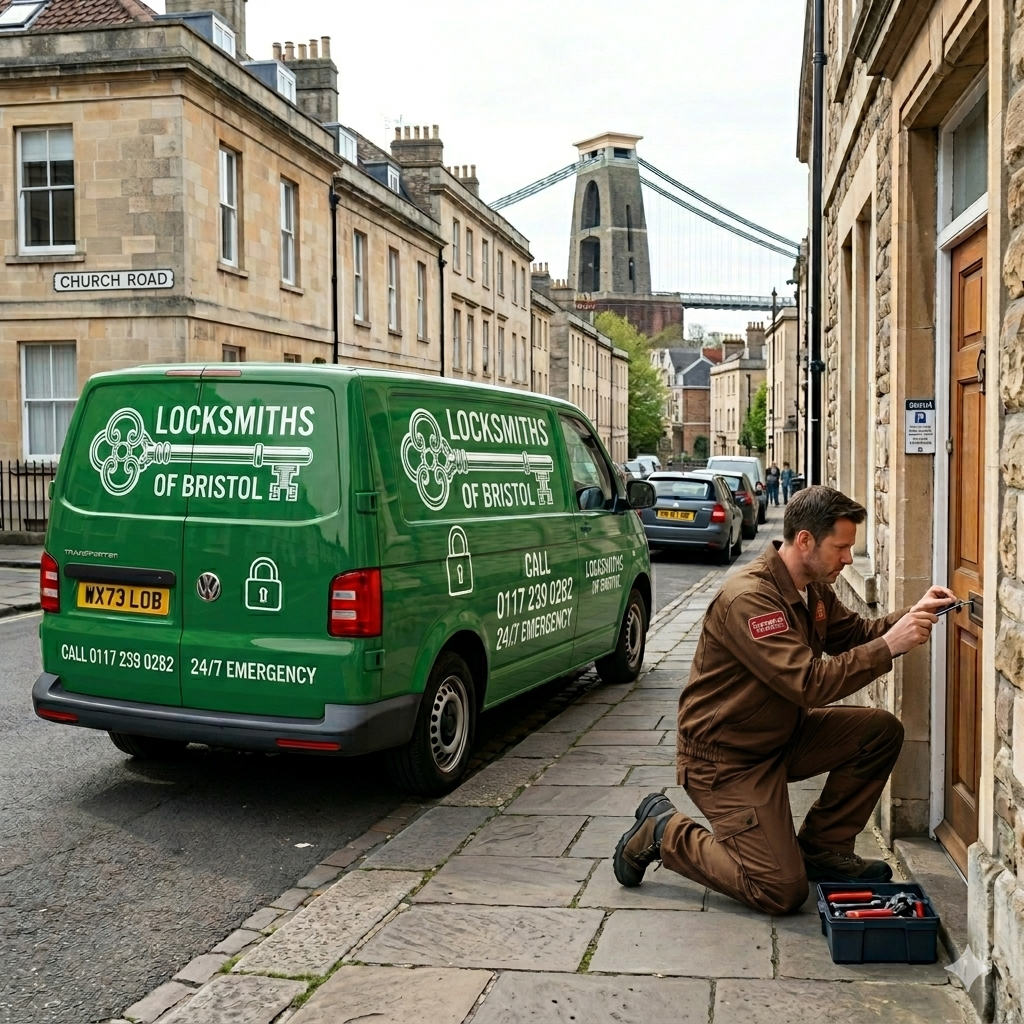
Locksmithing, by contrast, is more specialized. Trained locksmiths work with locks, keys, and security systems. This includes opening locked doors, repairing or replacing locks, installing advanced security systems, and sometimes working with safes or digital access controls. The job requires precision, patience, and problem-solving skills. While it can involve emergency callouts—like helping someone locked out of their home—it’s generally less physically demanding than plumbing.
Training is another key difference. Becoming a plumber typically requires a formal apprenticeship or vocational qualification. In the UK, for example, this might involve NVQs and several years of supervised work. Plumbing is regulated, particularly when dealing with gas systems, which requires additional certifications. It’s a longer path, but it also builds a strong, recognized skill set that can lead to higher earnings and more opportunities.
Locksmith training is often shorter and less standardized. Some locksmiths complete short courses or learn through apprenticeships, but there’s less formal regulation in many places. This means you can potentially enter the field more quickly. However, it also means that building credibility and trust is crucial. Customers are literally trusting you with access to their homes and businesses, so reputation matters a great deal.
When it comes to earnings, both trades can be lucrative, especially if you go self-employed. Plumbers generally have a higher earning ceiling, particularly if they specialize in areas like heating systems or gas engineering. Emergency plumbing callouts can command high fees, and experienced plumbers often have more consistent demand.
Locksmiths can also earn well, particularly in urban areas where lockouts and security upgrades are common. However, the income can be more variable and often depends on how well you market your services. There’s also competition from large national companies and cheaper providers, which can affect pricing.
Work-life balance is another factor worth considering. Both plumbers and locksmiths may need to be on call for emergencies, which can mean late nights or weekend work. However, plumbing jobs can be longer and more physically exhausting, especially on construction sites. Locksmith work tends to be quicker per job, which can make scheduling more flexible. If you value shorter, more contained tasks, locksmithing might appeal more.
Physical demands shouldn’t be overlooked either. Plumbing involves lifting heavy equipment, working in tight spaces, and dealing with water, waste, and sometimes hazardous materials. It can be tough on the body over time. Locksmithing, while still hands-on, is generally less physically intense. It requires fine motor skills and attention to detail rather than brute strength.
Job security is strong in both fields, but plumbing arguably has the edge. Water systems are essential, and problems can’t be postponed for long. Whether the economy is booming or struggling, people will always need plumbers. Locksmithing is also necessary, but some aspects—like upgrading security systems—can be delayed during tighter financial times.
Another angle to consider is personal interest. Do you enjoy mechanical systems, problem-solving, and working with your hands? Both careers offer that, but in different ways. Plumbing leans more toward construction and infrastructure, while locksmithing feels closer to technical craftsmanship and security.
There’s also the question of independence. Both trades offer good opportunities to start your own business. Many plumbers and locksmiths eventually go self-employed, setting their own hours and building their own client base. However, plumbing businesses often require more equipment, vehicles, and potentially employees, which can mean higher startup costs. Locksmithing can be started with a smaller initial investment, making it more accessible if you’re looking to go solo.
So, should you become a plumber or a locksmith? The honest answer is that it depends on what kind of work—and lifestyle—you’re looking for. If you want a well-established trade with strong earning potential, structured training, and consistently high demand, plumbing is a solid choice. It’s physically demanding but financially rewarding and widely respected.
On the other hand, if you prefer a quicker entry into the workforce, less physically strenuous tasks, and work that emphasizes precision and problem-solving, locksmithing could be a better fit. It offers flexibility and independence, though it may require more effort to build a steady income.
Ultimately, the best decision comes down to your preferences, strengths, and long-term goals. If possible, try to get a bit of hands-on experience in both fields—shadowing a professional for a day or two can reveal far more than any article. Whichever path you choose, both plumbing and locksmithing are practical, resilient careers that can provide stability and satisfaction for years to come.